Diagnoses & Conditions
Endometriosis and Fertility: When the Pain Is More Than Pain
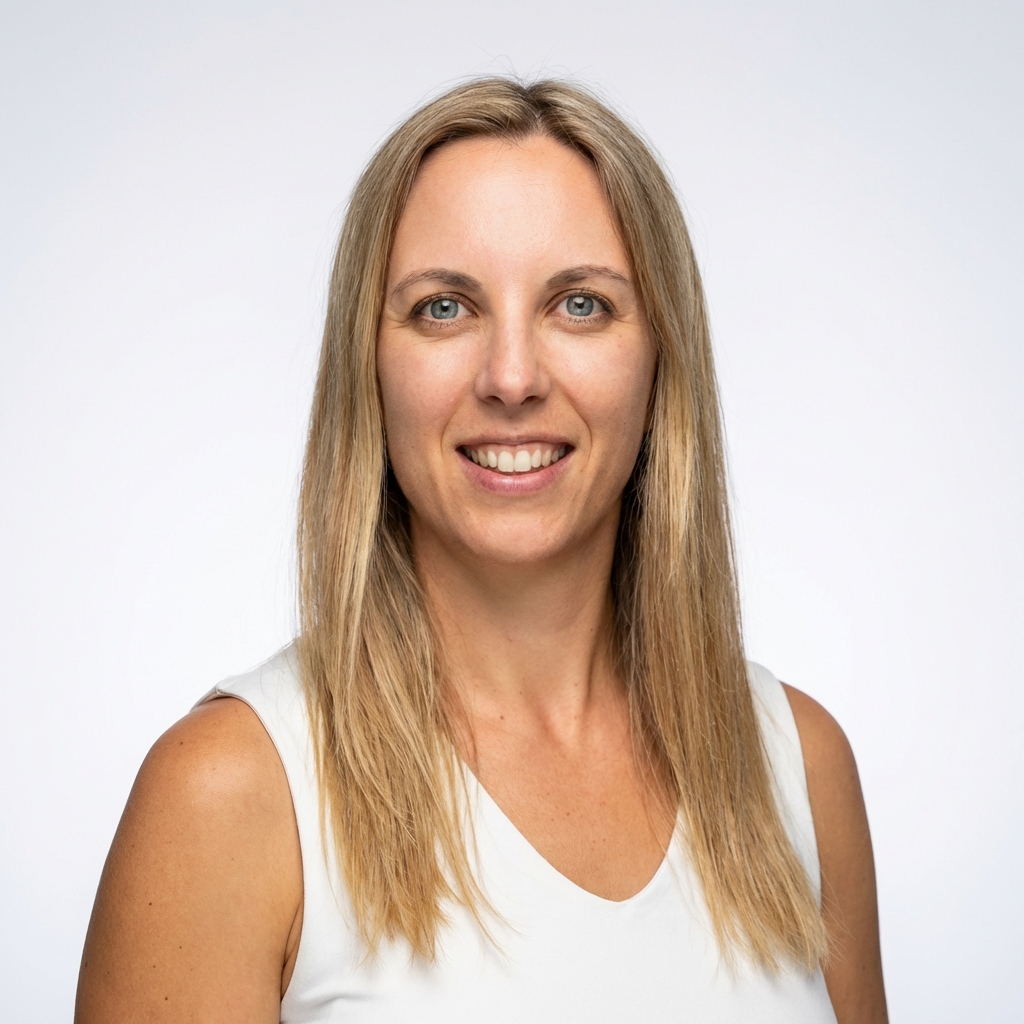 Melissa Schemionek9 min read
Maybe you spent years in pain that no one took seriously. "Bad periods are just part of being a woman," someone told you. "Take something for it." Maybe the diagnosis only came once you weren't getting pregnant. Or maybe it just landed in your lap, and you're sitting here asking the question that won't let go: what does this mean for my chance at a baby?
So let me say this first, plainly. Your pain was always real. You were not exaggerating, and you were not weak. If it took years for someone to name what was happening in your body, that is a failure of how women's pain gets heard, not a failure of yours.
My name is Melissa Schemionek, and as a holistic fertility and hormone coach in Austin, I walk alongside women carrying this exact mix of relief and fear after an endometriosis diagnosis. Relief at finally being believed, fear about what it means for the family they're hoping to build. I want to help you hold both.
What endometriosis actually is
With endometriosis, tissue that behaves like the lining of the uterus grows in places it doesn't belong, on the ovaries, near the fallopian tubes, across the pelvis, sometimes further afield. That tissue still listens to your cycle. It builds up and breaks down each month, except the blood has nowhere to go. What follows can include inflammation, scarring, and cysts. And pain, sometimes the kind that reshapes a woman's whole month around it.
Endometriosis is common, and it is also one of the most under-recognized conditions in women's health. Far too often it goes unnamed for years while a woman is told her suffering is ordinary. That delay is not a small thing. It can mean years of being disbelieved, and not knowing what her body is doing.
I want to be clear about something. Endometriosis is a medical condition that needs to be diagnosed and managed by a physician. A doctor is the right person to confirm it, stage it, and oversee your care. My role is different, and it sits alongside theirs, never in its place. What I do is help you understand the bigger picture of your body and tend the everyday conditions around it, so nothing gets quietly overlooked.
How endometriosis can touch fertility
Not every woman with endometriosis struggles to conceive. I want that on the table early, because the diagnosis is so often heard as a closed door when it isn't one. Many women go on to get pregnant, and for those who meet obstacles, there are usually threads worth working with. Still, it helps to understand the ways this condition can make conception harder:
- Anatomy. Scarring and adhesions may affect the fallopian tubes or the way the pelvic organs sit and move, which can make it harder for egg and sperm to meet.
- The ovaries. Cysts associated with endometriosis can affect healthy ovarian tissue over time, part of why this deserves attention rather than waiting.
- Inflammation. The low, ongoing inflammation that can accompany endometriosis doesn't stay tidily in one spot. It may influence egg quality, fertilization, and how a uterine lining welcomes an embryo.
- Hormonal balance. Endometriosis can sit alongside a wider hormonal imbalance, which may ripple into the cycle in ways that aren't obvious from a single appointment.
- The immune system. Research increasingly points to immune involvement, and that environment may play a role in how an embryo implants.
Notice that several of these threads point not only to the visible disease, but to the environment around your eggs and your cycle. That distinction is where a fuller view of your body becomes worth having. It's also why the stage of endometriosis tells you surprisingly little about your fertility. A woman with early-stage findings can face more difficulty than one with a more advanced stage, and the reverse happens too, because a number on a chart was never meant to be the verdict.
The inflammation piece
The part of this that occupies me most is inflammation. The low, persistent kind that can travel with endometriosis doesn't confine itself to where the tissue is. It can touch the wider body, and through it, fertility, on levels the visible findings alone don't always reach.
Here I have to be candid, because candor is more useful than a tidy promise. There are gentle, well-recognized ways of thinking about inflammation through everyday life, the kind of holistic, anti-inflammatory angle that can complement the care your doctor provides. But which of those threads actually matters for you, and how, is deeply individual. This is not a place for a copied protocol, a number to hit, or tips from a social media reel. A blanket plan would repeat the very thing that already failed you: being treated as a category instead of a person. What the right approach looks like for your body is the conversation I reserve for a discovery call.
Endometriosis and IVF
For some women with endometriosis, reproductive medicine becomes part of the path, and that can be a hopeful chapter rather than a defeat. The specifics belong with your medical team and your own situation, never a one-size-fits-all answer.
What I'll add is this. Whatever route you take, the months beforehand are not idle waiting time. The egg you'll release in a given cycle has been maturing for roughly 90 days before ovulation, so the conditions of today are quietly shaping the eggs of a few months from now. Tending the broader picture in that window, alongside your doctor, is part of what real preparation for IVF can look like, and where egg quality is worth your attention.
What you can and can't do on your own
Let me be candid, and gentle. Endometriosis is complex, and there is no single tip, no miracle supplement, no one move that resolves it. What I can tell you:
- Stay under a physician's care. Diagnosis, staging, and any medical decisions belong with your doctor. It's the ground everything else stands on.
- Don't let your symptoms be dismissed again. Pain, exhaustion, a cycle that feels wrong. Your lived experience is data, and you're allowed to keep asking until you're heard.
- Look at the whole picture, not just the findings. Hormones, inflammation, nutrient status, stress, and daily life all sit in the same body, an idea I unpack in the five pillars of fertility.
- Mind the stress thread. Chronic stress can ripple through the same hormonal system that governs your cycle, a connection I explore in how stress hormones affect your reproductive system.
- Don't wait indefinitely. Gently, not from fear, this is a reason to seek clarity rather than let more cycles slip by unexamined.
What I can't hand you is a standard plan, because that's the opposite of what endometriosis asks for. It asks for precision, which starts with your picture.
You are more than your diagnosis
I know how it feels to hear this word and sense the hope shrinking, as though someone stamped a label across the family you've been picturing. So I want to widen the story back to its real size. I've walked beside women with endometriosis who went on to meet their babies. I'm not handing you a guarantee, because no one can truthfully promise an outcome, and individual results always vary. I'm saying it because one diagnosis tried to make your story smaller than it is, and it doesn't get to do that.
Melissa's perspective
If your pain was waved away for years and you're now staring at a diagnosis that feels like a verdict, I believe you, and it isn't the closed door it can seem to be. Endometriosis is real and it deserves a physician's care. It is also only one part of a larger picture, and the parts around it, the inflammation, the hormones, the everyday conditions surrounding your cycle, are worth tending with intention. The right next move is never generic, because it depends entirely on your story and your body.
In a discovery call we look at your situation, your symptoms, and your story together, and I help you understand where the holistic, everyday side of things may fit, alongside the doctor who oversees your care. You don't have to keep carrying this alone, and certainly not from a place of fear. Your pain was always more than just pain. It's time someone treated it that way.
This article is for education, not medical advice. Melissa is a holistic coach, not a physician; coaching is meant to complement, not replace, care from your own doctor. Every body is different and individual results vary.
Let's look at your situation together.
Articles can only take you so far. In a discovery call we look at your story, your labs, and your options, and you leave knowing exactly where you stand.
Apply for a Strategy CallFree · No pressure · Confidential
Common Questions
Answers to the questions women ask most
What is endometriosis, really?
Endometriosis is a condition where tissue that behaves like the lining of the uterus grows in places it doesn't belong, such as on the ovaries, near the fallopian tubes, or across the pelvis. That tissue still responds to your cycle, building up and breaking down each month, which can lead to inflammation, scarring, cysts, and significant pain. It needs to be diagnosed and managed by a physician.
Does having endometriosis mean I can't get pregnant?
No. Many women with endometriosis go on to conceive, and the diagnosis is not the closed door it's often heard as. It can make conception harder for some women through anatomy, inflammation, or hormonal balance, but it doesn't decide your outcome. No one can promise a result, and individual experiences vary. A physician oversees the medical side, while a coach can help you tend the wider picture around it.
Does the stage of my endometriosis tell me how fertile I am?
Surprisingly little. A woman with early-stage findings can face more difficulty than one with a more advanced stage, and the reverse happens too. It isn't only the visible findings that matter, but also the inflammatory environment, where the tissue sits, and an individual immune response. That's why your situation deserves to be looked at as a whole rather than slotted into a category.
Can a holistic or anti-inflammatory approach help with endometriosis?
A holistic, anti-inflammatory angle can complement the care your physician provides, but it never replaces it. Which threads actually matter for you, and how, is deeply individual, so this isn't a place for a copied protocol or tips from a social media reel. A blanket plan would treat you like a category instead of a person. What the right approach looks like for your body is exactly what we explore together in a discovery call.
I was just diagnosed and I'm scared about my fertility. What should I do next?
First, breathe, and know your pain was always real. Stay under your physician's care for the medical side, and don't let your symptoms be dismissed again. Beyond that, this is a reason for clarity rather than panic, gently and without losing more cycles than you need to. What actually helps you depends on your full picture, which can't be answered in an article. In a discovery call we look at your situation together and explore what a path forward could look like for you.