After 35
Trying to Conceive in Your Late 30s: What Actually Matters
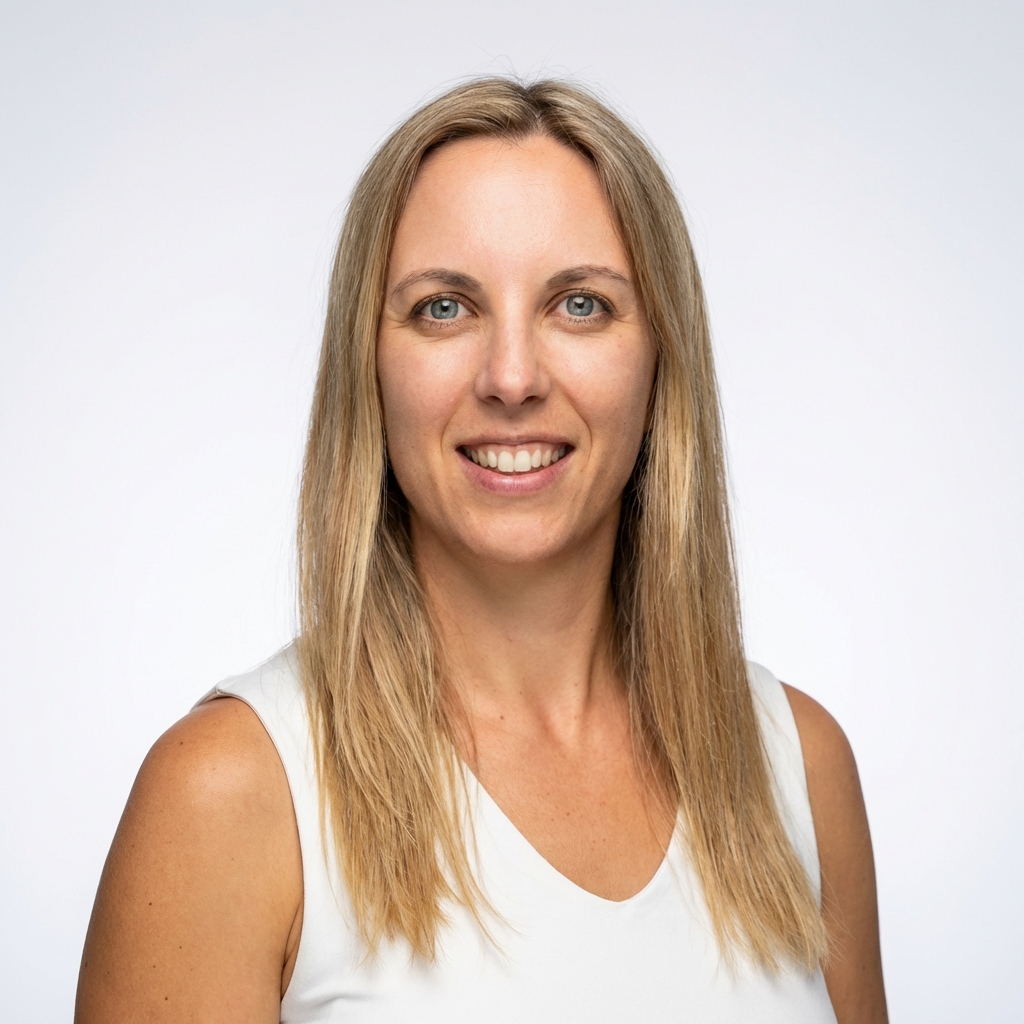 Melissa Schemionek9 min read
You're somewhere in your late 30s, and you can feel the clock in the background. Maybe you found your person a little later. Maybe the timing was never quite right until now. And everywhere you turn, the message sounds the same: it's getting harder, your window is closing, you'd better hurry.
I want to offer you a different starting point. Your age is a factor. It is not your verdict.
I'm Melissa Schemionek, a holistic fertility and hormone coach in Austin, and many of the women I walk alongside are between 35 and 39. They arrive carrying a lot of fear, and often a sense that conventional medicine has quietly written them off. So let me give you something steadier to stand on: a calm, honest look at what's actually true in your late 30s, and where your attention is genuinely worth spending. Consider this your starting map. I'll point you toward the deeper articles as we go.
What really happens to fertility after 35
Let me name the fear directly, because most women are quietly carrying it. Yes, ovarian reserve declines with age. That's biology, and I'm not going to soften it into something it isn't. But the way this gets talked about does a lot of damage, and a surprising amount of it rests on shaky ground.
You may have seen the often-repeated claim that a large share of women over 35 won't conceive within a year. What's rarely mentioned is that one of the figures behind this fear traces back to historical birth records from centuries ago, long before modern nutrition or medical care. The lives those numbers describe have almost nothing to do with yours.
A calmer reading of the picture looks like this:
- Many women between 35 and 39 conceive within a year of trying.
- Fertility doesn't fall off a cliff at 35. It shifts gradually.
- Your individual circumstances and the conditions your body provides have a real influence on egg quality.
None of this means age is irrelevant. It means you have far more influence than the fear-based statistics would have you believe. And that distinction changes what you do next. If age were the whole story, there'd be nothing to do but wait and worry. It isn't, and there is.
Egg quality versus egg quantity
So much of the conversation in your late 30s centers on quantity: how many eggs you have, what your reserve looks like, whether your numbers are reassuring. But here's the distinction I find women rarely hear: you don't need a hundred good eggs. You need one.
Quantity and quality are two different things. A number that speaks to how many eggs remain doesn't decide the whole story on its own. If you've been handed a result that frightened you, I unpack what it actually does and doesn't mean in what a low AMH result really means.
Quality is the factor I keep coming back to, and it's the one that responds most to the conditions you create. Egg quality isn't a single dial that age turns down each birthday. It's the product of many systems working together, and several of those systems are far more responsive to change than most women are ever told. The honest framing isn't "your eggs are getting worse." It's: "age is one factor, and there are others you can genuinely influence." I go much deeper into the mechanisms in what egg quality really means after 35, and in your late 30s it's worth reading closely.
The thyroid factor, so often overlooked
Here's a piece that comes up far too rarely in a standard fertility conversation: your thyroid. Thyroid issues, especially an underactive one, become more common as we move through our 30s, and the thyroid sits close to the center of the hormonal systems involved in reproduction.
What I see again and again is a woman who has been told her thyroid is "normal," and who walks away reassured, when in fact the picture deserves a closer and more nuanced look in the context of trying to conceive. This is one of the things I care about most, and I explore it properly in how your thyroid shapes fertility. It's also part of a wider pattern worth understanding: why standard bloodwork can miss real fertility issues even when everything comes back inside the usual ranges.
What I'd gently steer you away from
Before I point toward what helps, let me name a few things that tend to make this harder, because avoiding them is its own kind of progress.
- The 2 a.m. search spiral. Hunting down worst-case stories in the middle of the night feeds fear and rarely gives you anything useful. Steady, trustworthy guidance serves you far better than midnight scrolling.
- Measuring yourself against everyone else. The friend who conceived at 28 on her first try has a different body and a different story. Yours is its own, and that's okay.
- Overhauling everything at once. Turning your whole life upside down overnight just adds stress. Small, sustainable steps tend to serve you better, as long as they're the right ones for you.
- Letting months slip by to guesswork. Every cycle counts. Not as a reason to panic, but as a reason to act with intention. Egg maturation takes roughly 90 days. The real question is what conditions your eggs mature in.
Your 90-day window
Here's the part I find most freeing to share. An egg doesn't appear fully formed the month you ovulate. Each one moves through a maturation process of roughly 90 days before it's released. Which means the eggs you might release a few months from now are being shaped right now, by the environment your body is providing today.
Sit with that for a moment, because it quietly moves the focus from a number you can't change to a window you can actually influence. In your late 30s, that reframes how I'd invite you to think about time. Not with a ticking-clock kind of dread, but with a steady sense that the months ahead are usable. The 90 days are happening regardless. The only real question is what conditions they unfold under.
I'll be candid about why you won't find specific supplements, doses, or brand names here. It isn't an oversight. The mechanisms are universal, but the right application of them is deeply personal. What creates a real shift for one woman can be neutral, or occasionally counterproductive, for another. So rather than copy a protocol from a forum or a stranger's feed, the work that actually helps starts with your body, your history, and your starting point. The wider framework I work within lives in the five pillars of fertility, if you'd like to see how the pieces fit together.
What reproductive medicine can and can't do
Perhaps you're weighing IVF or another route through reproductive medicine. I want to be clear that this can be a wonderful path, and a valid one. But it isn't a cure-all. Success rates lean heavily on egg quality, which brings us right back to the factors you can genuinely influence. The groundwork you lay in the weeks before a cycle can shape the experience in ways that are easy to overlook, and I describe that preparation window in what clinics rarely tell you about the time before a cycle.
Whether your path is natural conception, medical support, or some combination of the two, the foundation is the same. A well-nourished, hormonally steady body gives you your best footing in either scenario. None of this replaces your doctor's expertise. It surrounds it.
A note from me to you
In my work, I meet women nearly every day who've been told they're "too old" or that their numbers "look bad." They arrive with fear, with grief, and with the sense that they're fighting against time itself.
And then something quietly shifts. When a woman begins to truly understand her own body, when she stops acting from panic and starts working from a clear, calm plan, things change. Not only what shows up on paper. Her sense of trust in her own body comes back too.
Being in your late 30s is not a sentence. It's a point on your path. But every month you let slip by without a clear direction is a month you don't get back, and I say that gently, not to frighten you. If something here resonated, that's reason enough to take the next quiet step. A discovery call is simply a calm conversation where we look at your situation together and figure out what, in your specific case, is most worth your attention. No generic checklist, and no promises about an outcome, because individual results always vary. Just your starting point, and the next thing worth doing. The egg maturing over the next 90 days is being shaped right now.
This article is for education, not medical advice. Melissa is a holistic coach, not a physician; coaching is meant to complement, not replace, care from your own doctor. Every body is different and individual results vary.
Let's look at your situation together.
Articles can only take you so far. In a discovery call we look at your story, your labs, and your options, and you leave knowing exactly where you stand.
Apply for a Strategy CallFree · No pressure · Confidential
Common Questions
Answers to the questions women ask most
Does fertility really fall off a cliff at 35?
No. The idea of a sudden cliff at 35 is one of the most persistent myths in this whole conversation. Fertility does shift gradually with age, and that's worth understanding rather than fearing. But it doesn't drop off a ledge on your 35th birthday. Many women in their late 30s conceive within a year of trying. Age is one factor among several, and several of the others are more responsive to change than the headlines suggest.
Where should I focus first in my late 30s?
On the factors you can actually influence rather than the number you can't. Egg quality, thyroid function, and the conditions your body provides over the coming months tend to matter far more than your age alone. What that looks like for you specifically depends on your history and where you're starting from, which is exactly the kind of question we work through together on a discovery call. As a coach I support the whole picture; I don't diagnose or treat medical conditions.
Why does everyone keep mentioning 90 days?
Because an egg doesn't appear fully formed the month you ovulate. Each one moves through a maturation process of roughly 90 days before it's released. That means the conditions you create over the coming months may shape the eggs that become available later, not the ones available today. In your late 30s, that's a reason for calm, focused action rather than scattered guesswork.
Should I be worried if my doctor said my numbers look low?
Not necessarily, and a single number rarely tells the whole story. Ovarian reserve speaks to quantity, and you don't need a hundred good eggs. You need one. A low result is information, not a verdict, and it doesn't decide your outcome on its own. What it actually means for you is worth looking at properly rather than fearing in the abstract.
How do I get started with Melissa?
The first step is a discovery call. It's a calm, no-pressure conversation where we look at your situation together and see whether we're a good fit to work as a team. I won't hand you a generic protocol on the spot, because anything genuinely useful starts with understanding you, your history, and where you're starting from.